Choose language


Choose region

“Connecting data. Open for technology.” sets a new standard in structural engineering. 

Discover the key innovations in data-driven structural analysis, integrated BIM processes and open, scalable workflows. 

From modelling through analysis to design: These highlights demonstrate how consistent data structures, new interfaces and modern technologies make your projects more efficient, transparent and future-proof. 

Building design


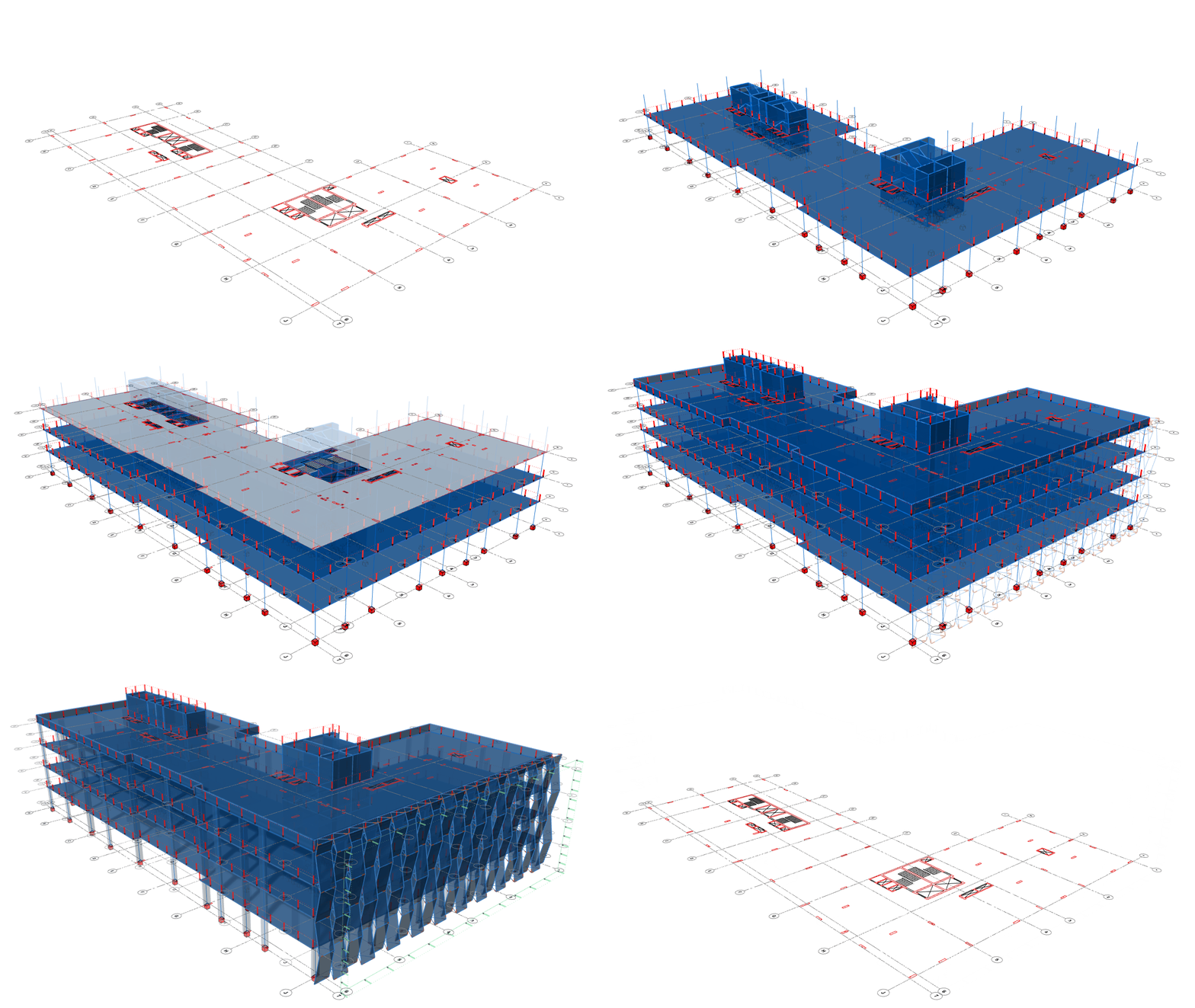
Taking BIM a step further: Analysis and design in Autodesk® Revit®

  • Efficient work within the model: Speed up creation of analytical models, improved load distribution, and greater transparency between analytical and physical models
  • Flexible workflows: Efficient member design directly in Autodesk® Revit® based on complete or partial models, with the option to import or freely define loads
  • Structured and transparent: Clear organisation through design groups, immediate feedback within the model via design status 

Your benefits: Faster results, less coordination and full transparency throughout the entire design process 


Efficient reinforcement planning through automation 

  • Intelligent reuse: Reuse of reinforcement, including detailing, across similar components
  • Save time: Creation of recurring elements without duplicate modelling
  • Consistent documentation: Uniform reinforcement and representation throughout the model 

Your benefits: Less manual effort, faster results and consistently high-quality plans

Bridge design


Future-proof bridge design

  • Continuously evolving: Targeted, cross-version expansion of proven FEM technologies to meet future requirements
  • Parametric and flexible: Automatic adaptation of models to complex geometries and changing boundary conditions
  • Suitable for international use: Workflows designed for international projects and code-compliant seismic design 

Your benefit: Delivering challenging bridge projects worldwide efficiently, flexibly, and safely with trusted, cutting-edge software


Modelling complex infrastructure with ease  

  • Efficient modelling: Batch modelling and editing of components
  • Flexible adaptation: Parametric modelling with adaptive longitudinal sections
  • Easy to control: Fast dependency definition with the Equation Editor 

Your benefits: Less modelling effort, greater flexibility and consistent results

News from the SOFiSTiK world 


SOFiSTiK Rhino Interface 

  • Direct modelling: Creating components and loads natively in Rhino  
  • Parametric workflows: Using Grasshopper components for flexible structural models  
  • Seamless analysis: Transferring models to SOFiSTiK with a single click   

Find out more here. 


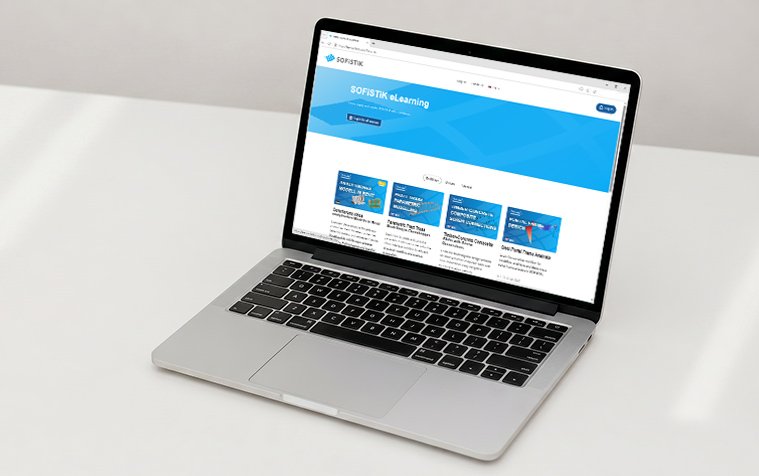
Get started faster with SOFiSTiK eLearning 

  • Get started straight away: Structured Getting Started courses for a quick start
  • Tailored in-depth learning: Practical training courses for specific workflows and applications
  • Flexible learning: Content available online at any time – learn at your own pace 

Find out more here.